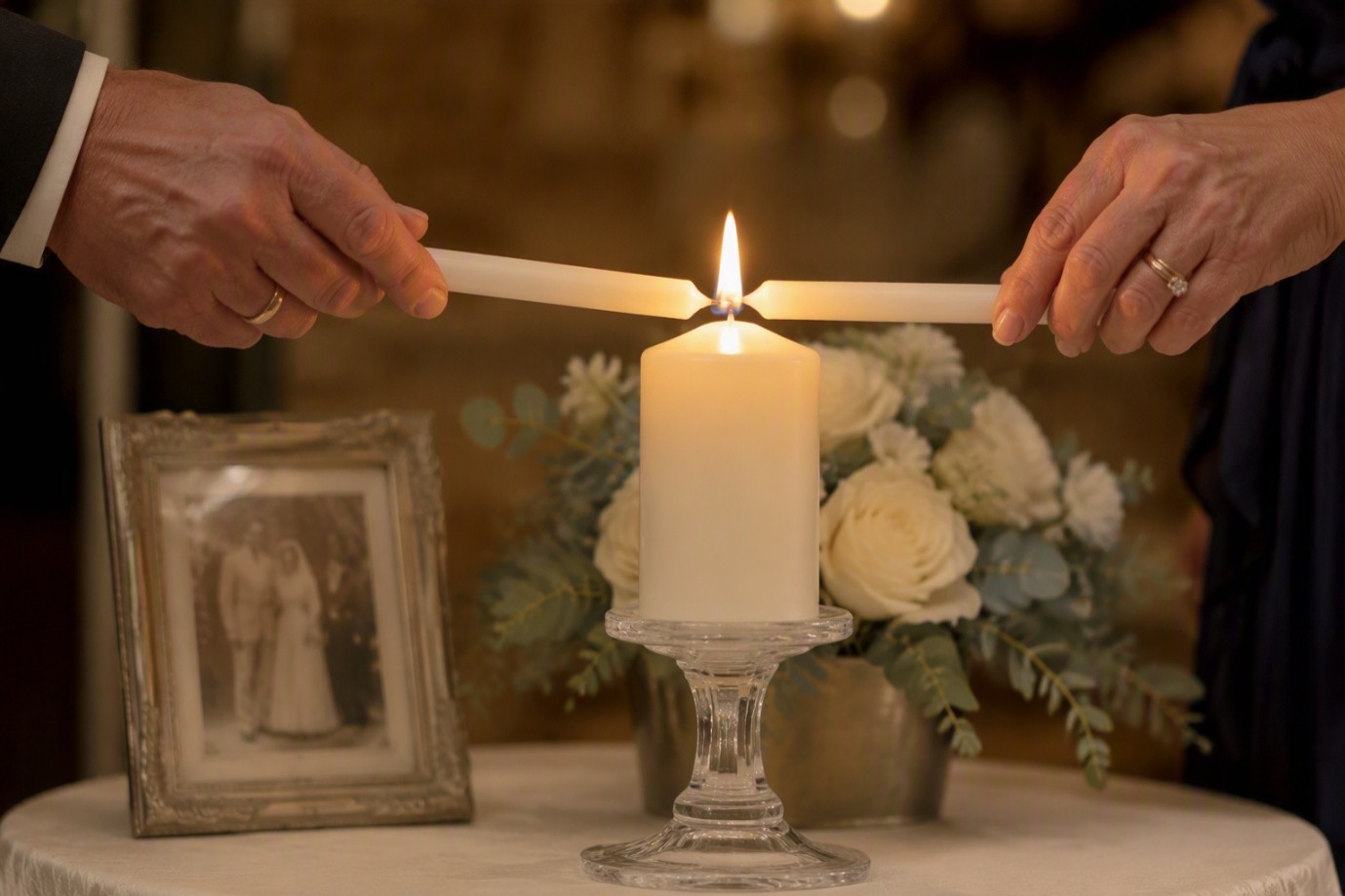
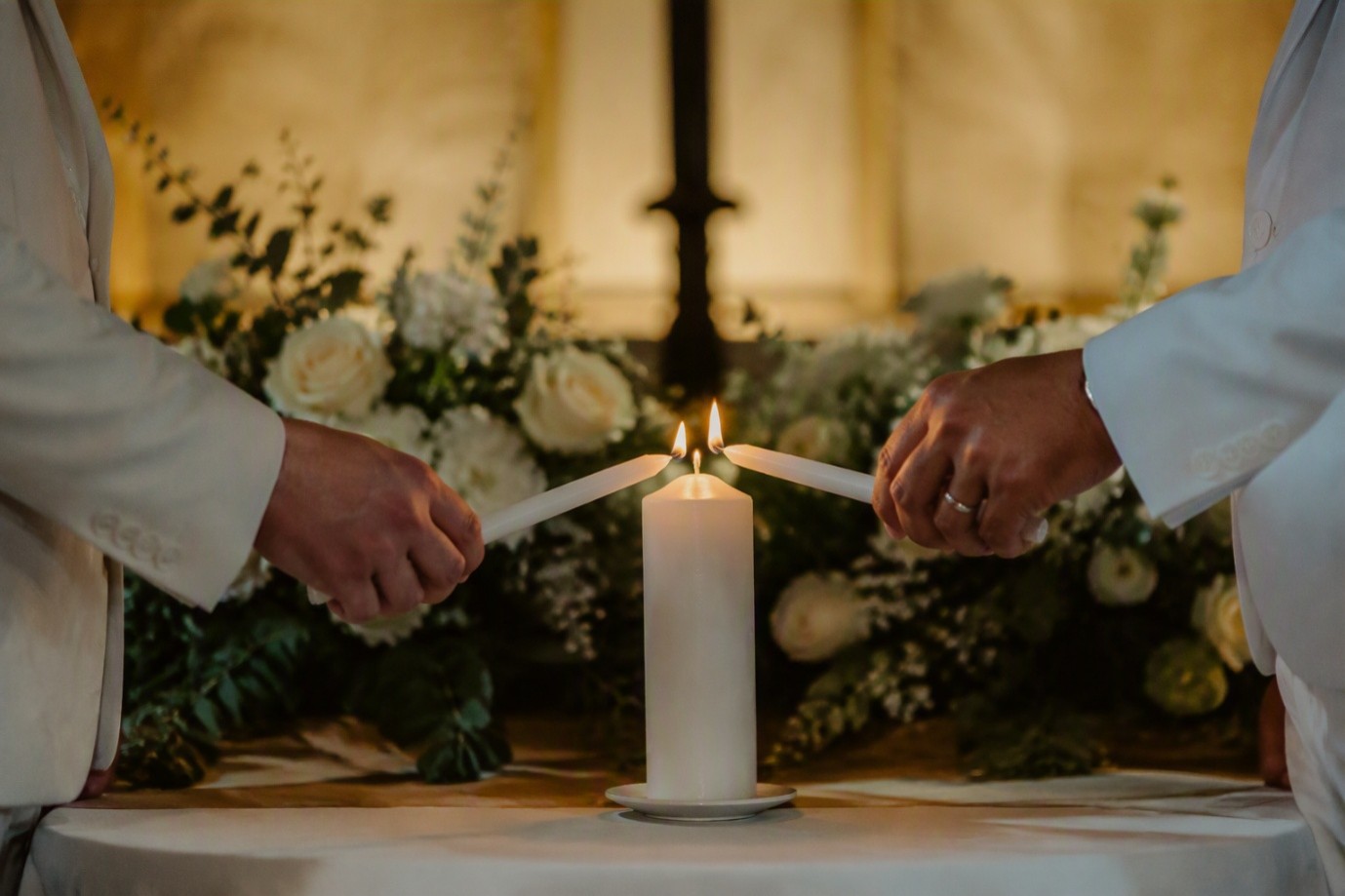
Candle-Lighting Ritual – The couple lights a unity candle from two individual candles, symbolizing their union.
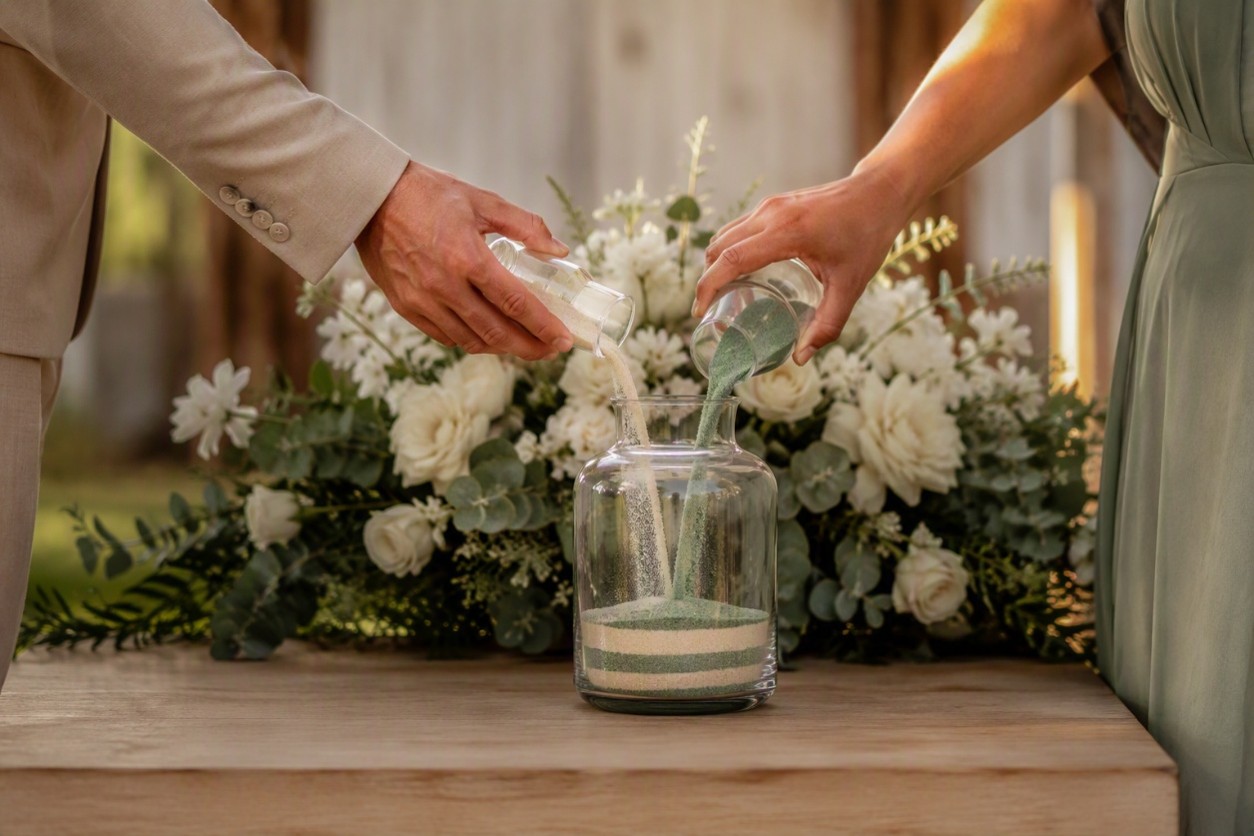
Sand-Pouring Ritual – Each partner pours sand from separate containers into a single vessel, representing the blending of their lives.
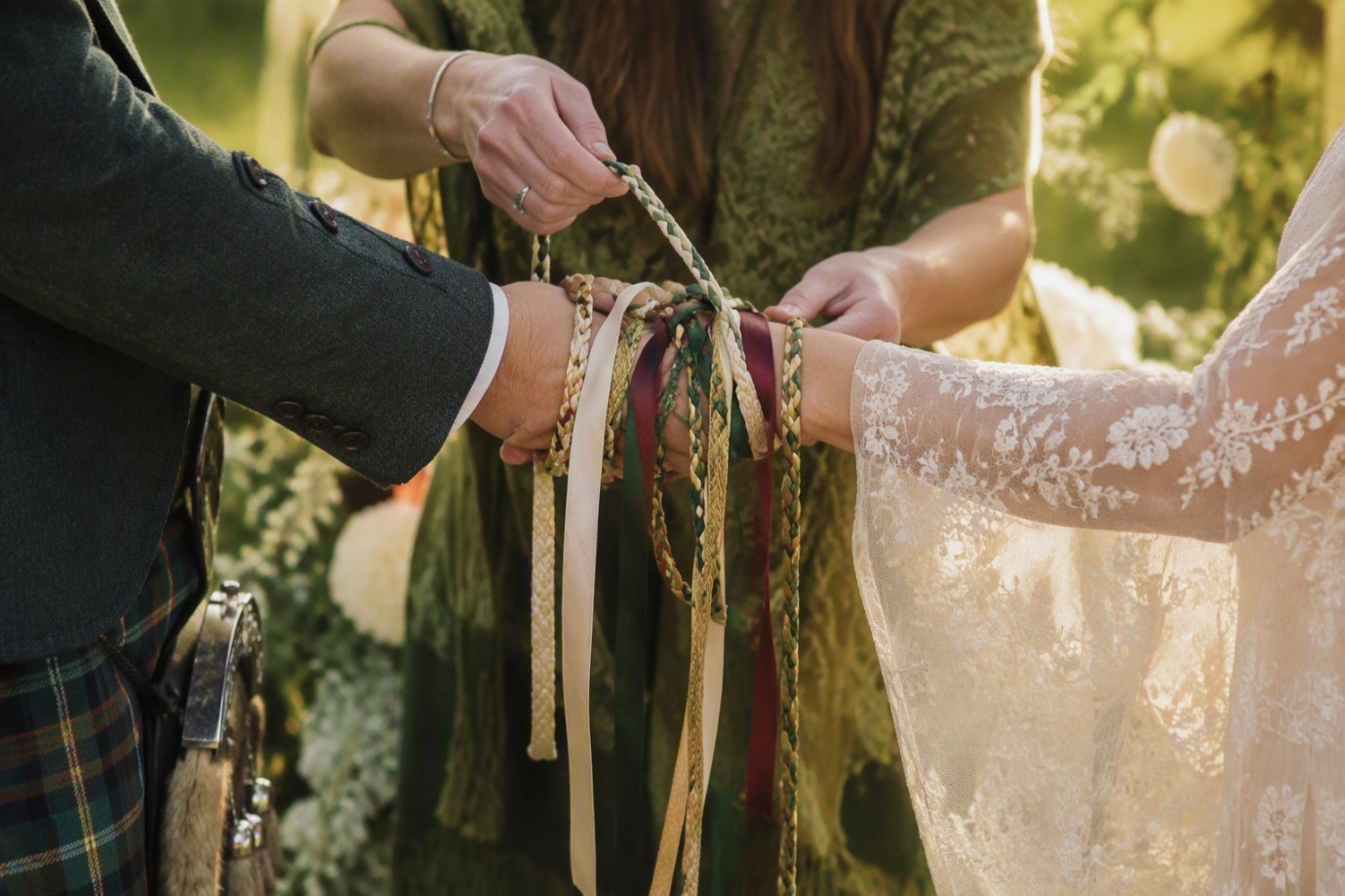
Handfasting –Handfasting is an ancient Celtic ritual where the couple’s hands are bound together with cords or ribbons, symbolizing their union. It’s a powerful visual representation of commitment and is often included in modern weddings. Tie the Knot! Great for photography.
Guests can be invited to add special cords that are bound into a knot.
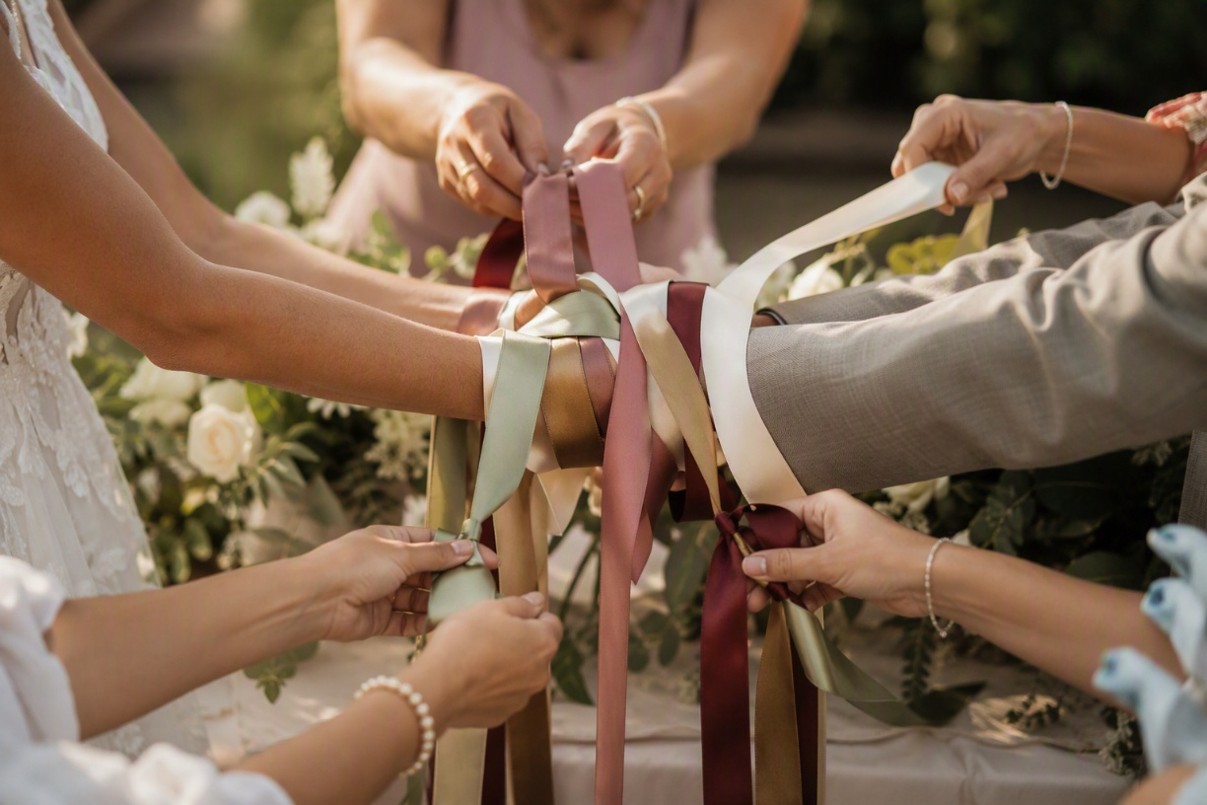
Ribbon Ceremony – Ribbons are tied around the couple’s hands by loved ones, symbolizing their support and unity.
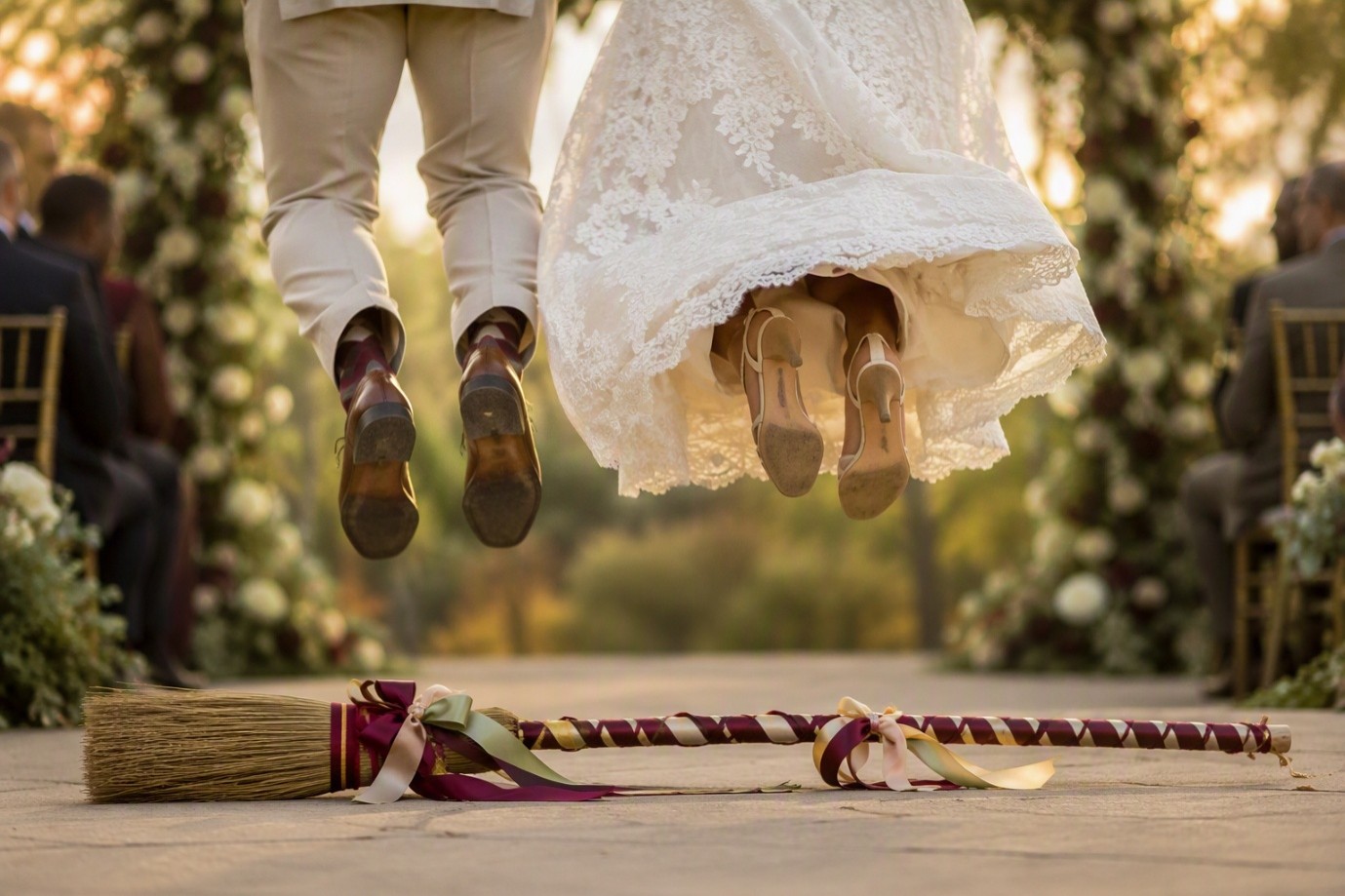
Jumping the Broom – A tradition in African-American weddings where the couple jumps over a broom, symbolizing sweeping away the past and stepping into their new life.
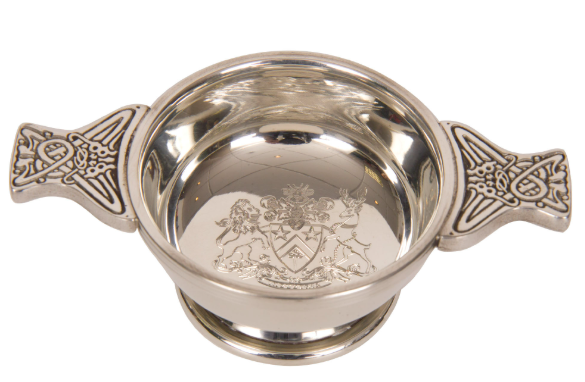
Quaich Loving Cup– The traditional Irish wedding cup also known as a Loving Cup comes from Celtic and Scottish traditions and is used in wedding ceremonies to symbolize unity, love – couples drink from it together to represent their bond and commitment
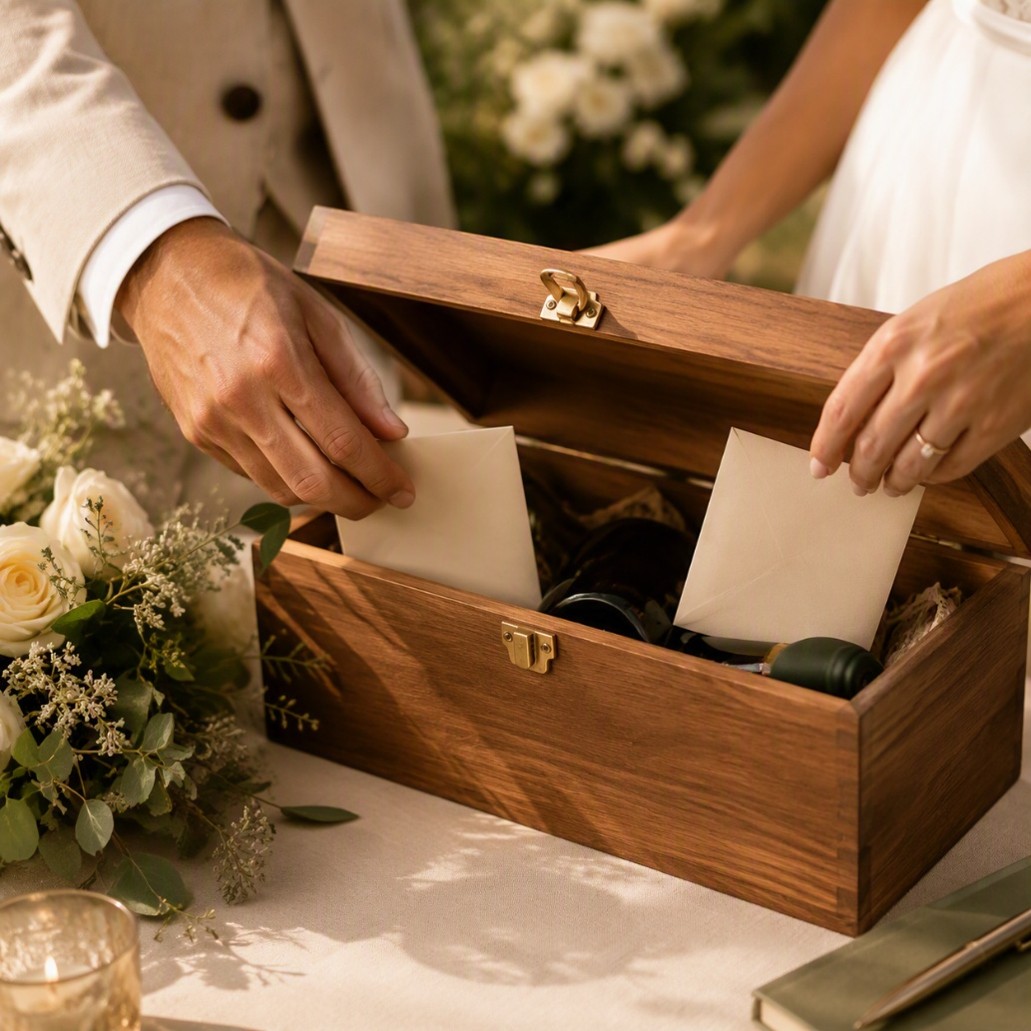
Love Letter & Wine Box Ceremony – The couple writes letters/Vows to each other and seals them in a box with a bottle of wine to be opened on a future anniversary.
Flower Girl Tradition: A young girl scatters petals down the aisle before the bride, a tradition dating back to Ancient Rome, where grains and herbs were used to symbolize fertility and protection.
Some Fun Variations
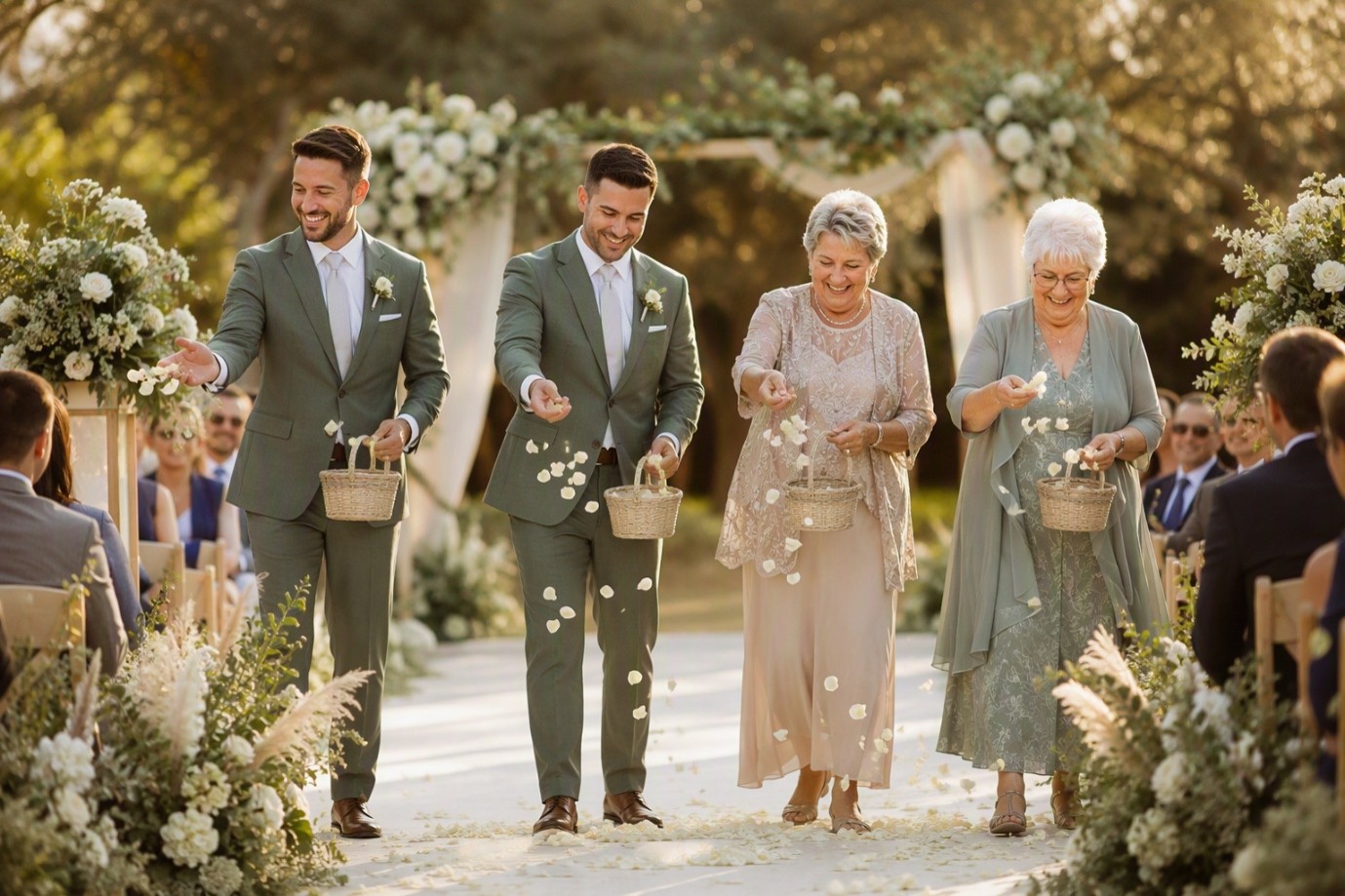
Flower men
Flower Grannys
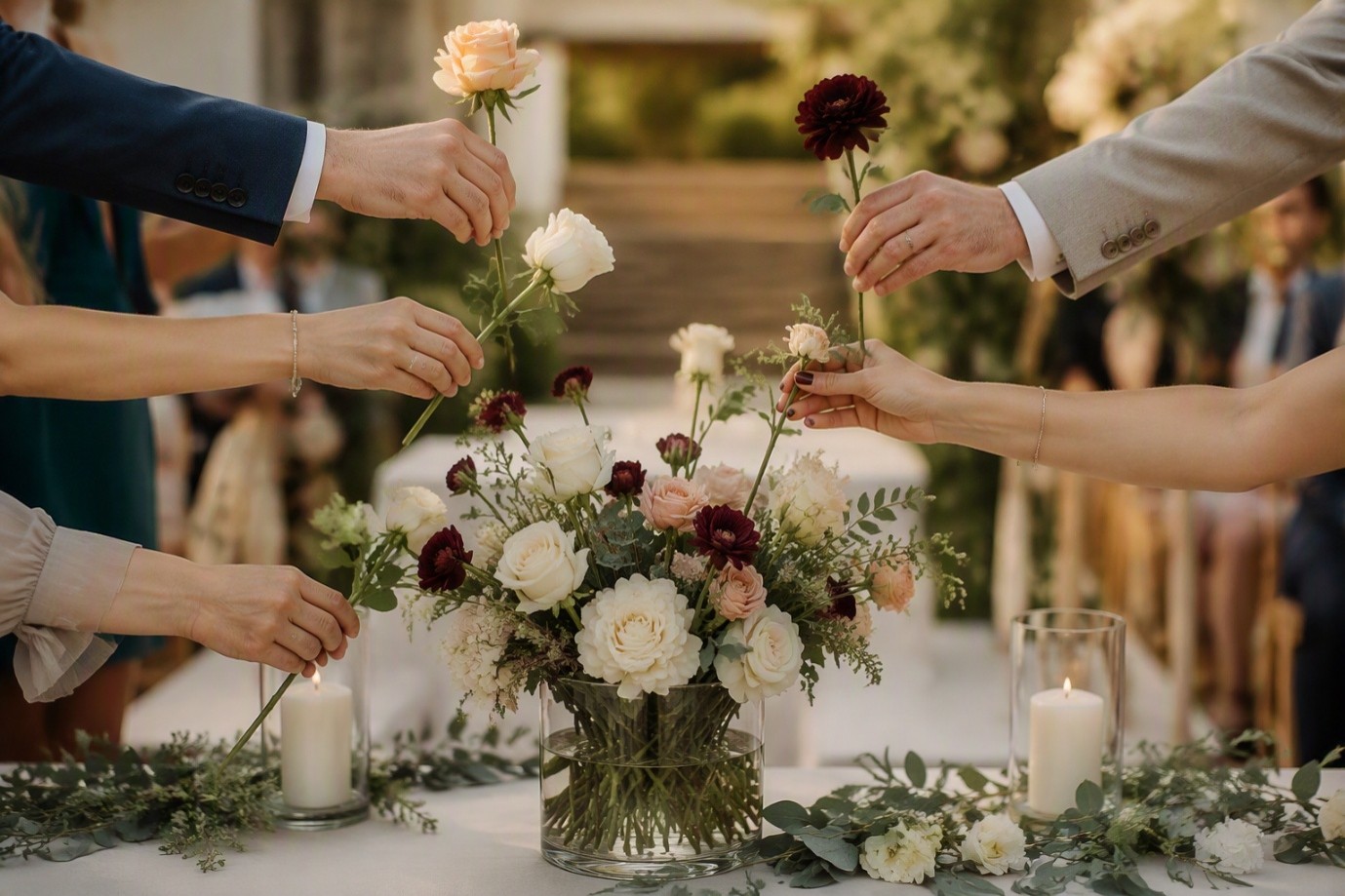
Guest Participation Flower Ritual: Guests can be given flowers upon arrival and invited to place them in a communal vase during the ceremony, creating a collective floral arrangement that represents their support and blessings for the couple.
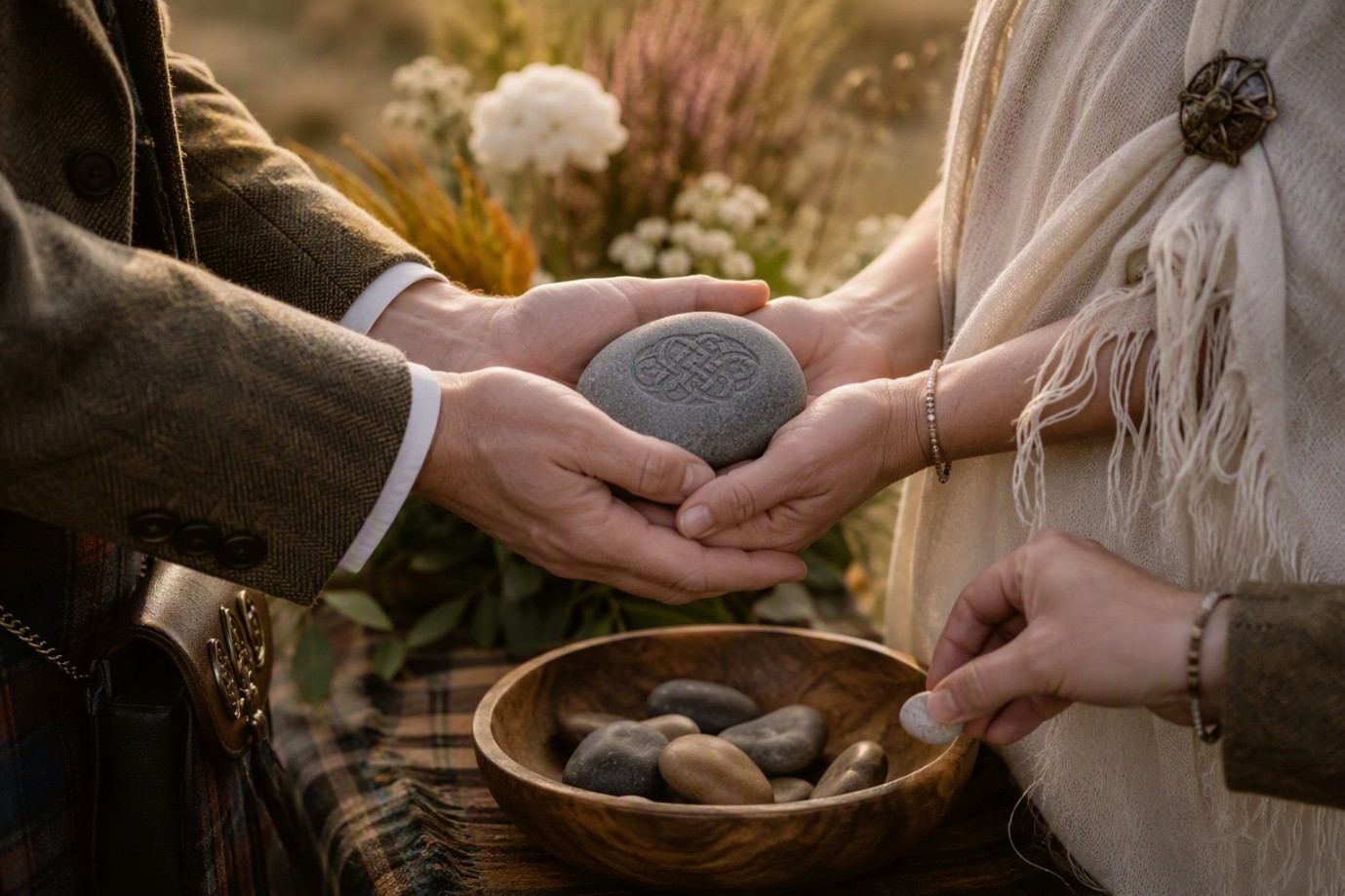
Oath Stone Ritual: is a deeply symbolic tradition with roots in Scottish Celtic heritage. It involves the couple holding a stone while making their vows, symbolizing the permanence and strength of their commitment—hence the phrase “set in stone”.
The couple selects a meaningful stone, often from a special location.
During the ceremony, they clasp the stone together while reciting their vows, reinforcing the idea that their promises are solid and enduring.
Some couples engrave their stone with initials, wedding dates, or Celtic symbols.
In some variations, guests hold smaller stones before the vows, infusing them with well wishes before placing them in a communal bowl or tossing them into water.
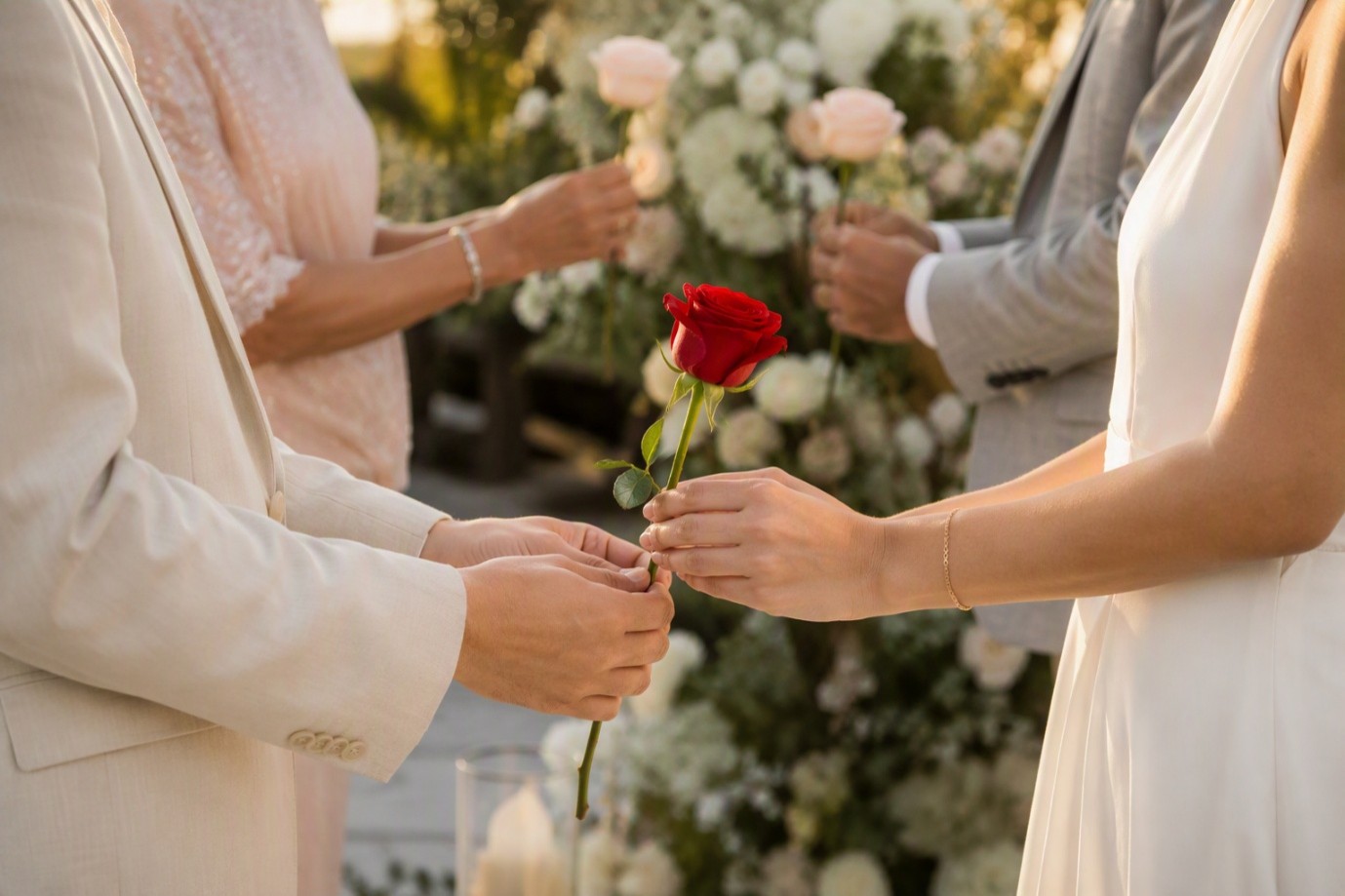
The Rose Giving Ritual is a beautiful and symbolic wedding tradition that represents love, appreciation, and unity. It can be incorporated in several ways:
The couple exchanges a single rose, symbolizing their first gift to each other as newlyweds.
Often accompanied by words like, “This rose is a reminder of my love for you—simple, beautiful, and enduring.”
Honouring Parents or Loved Ones The couple presents roses to their parents or significant family members as a gesture of gratitude
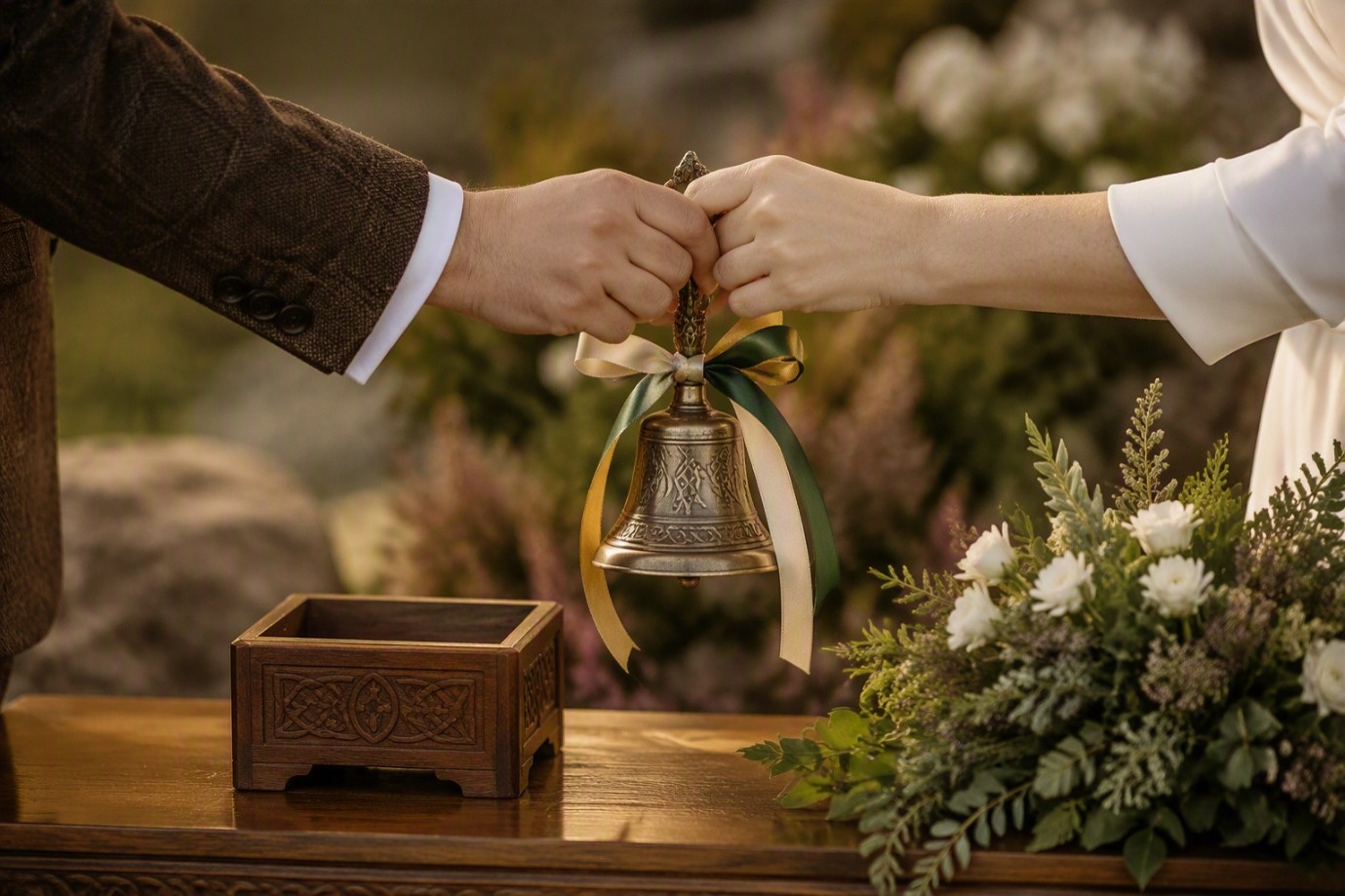
The Truce Bell Wedding Ritual is a charming Celtic tradition that symbolizes compromise and reconciliation in marriage. It originates from Irish customs, where bells were believed to bring good luck and ward off negativity.
A bell is blessed before the ceremony and presented to the couple.
During the wedding, the couple rings the bell together, thinking good thoughts about each other and their future.
The bell is then kept in their home as a reminder of their vows.
If an argument arises, one partner can ring the bell to signal a truce, encouraging resolution with love and understanding.
Baby Naming Ceremony
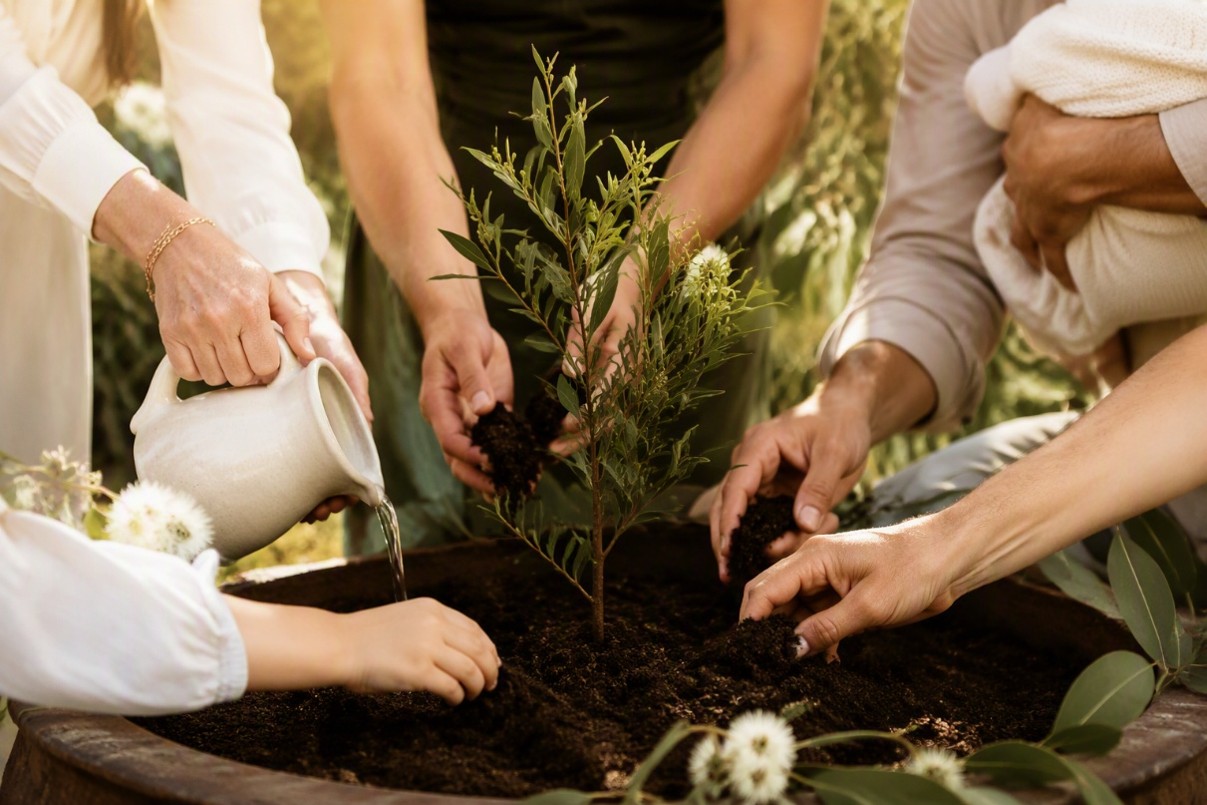
A beautiful ritual for a baby naming ceremony is tree planting. This ritual involves planting a tree or a small plant during the ceremony, symbolizing the child’s growth, strength, and connection to nature.
Why It’s Appropriate
Symbolism
Funeral Ceremony
A meaningful ritual for a funeral ceremony is the lighting of candles. This simple act symbolizes remembrance, hope, and the enduring presence of the loved one.
Why It’s Appropriate
Symbolism
Memorial Ceremony
A meaningful ritual for a memorial ceremony is the Blessing Tree. This involves setting up a tree branch or small tree where guests can hang written messages, wishes, or memories on decorative tags.
Why It’s Appropriate
Symbolism
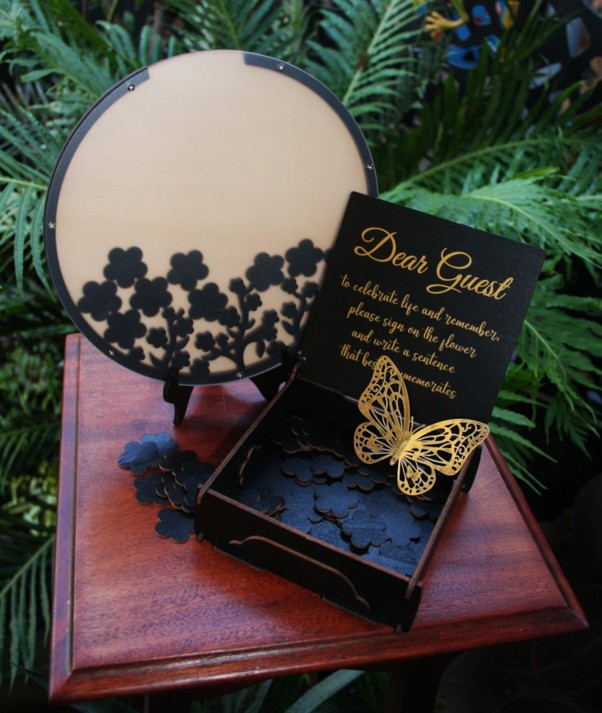
Stemmed Butterfly Remembrance Ritual
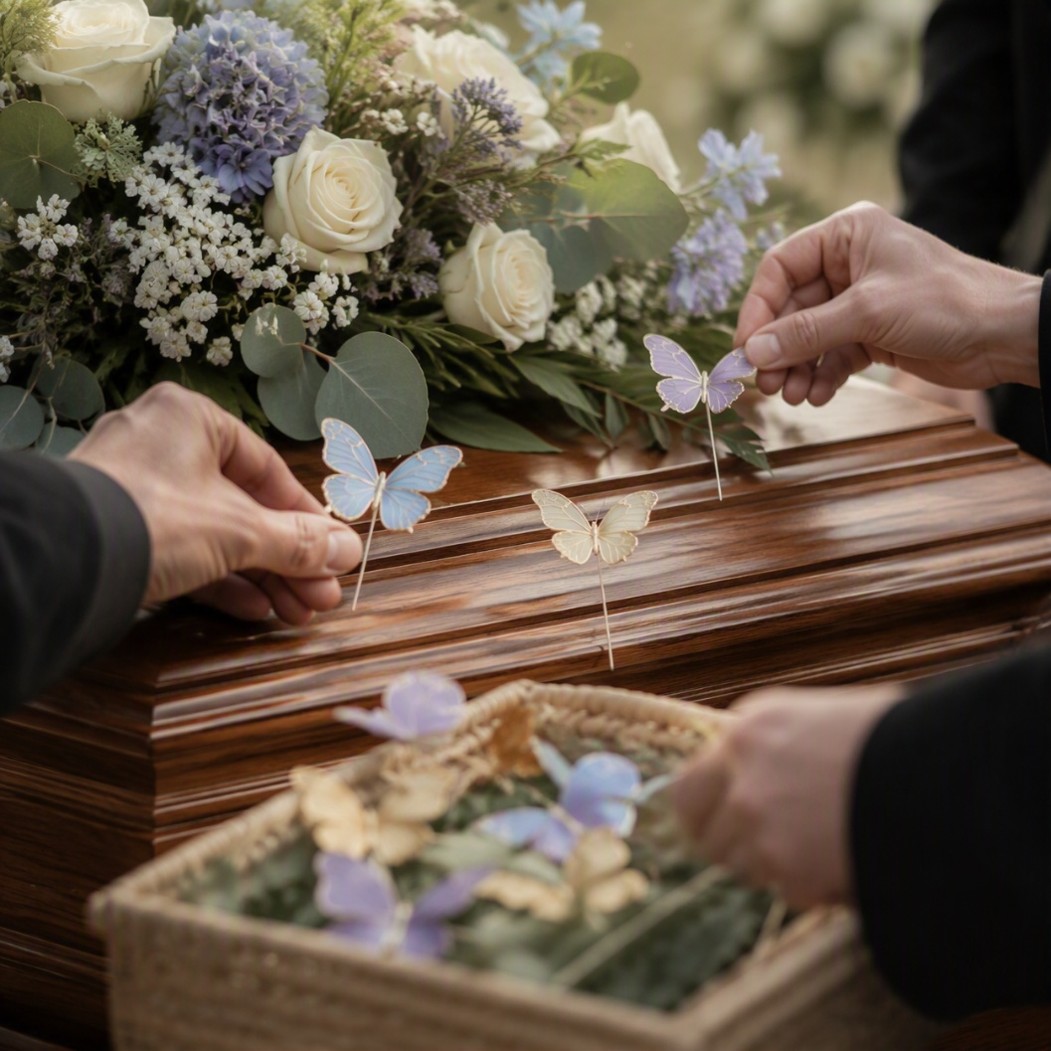
A meaningful alternative to placing rosemary on the coffin is the use of stemmed keepsake butterflies. Guests are invited to place a butterfly on the coffin as a personal farewell, symbolising remembrance, hope, transformation, and the enduring presence of the loved one. After the ceremony, the butterflies may be collected and offered to family members and guests as lasting keepsakes.
Why It’s Appropriate
Symbolism
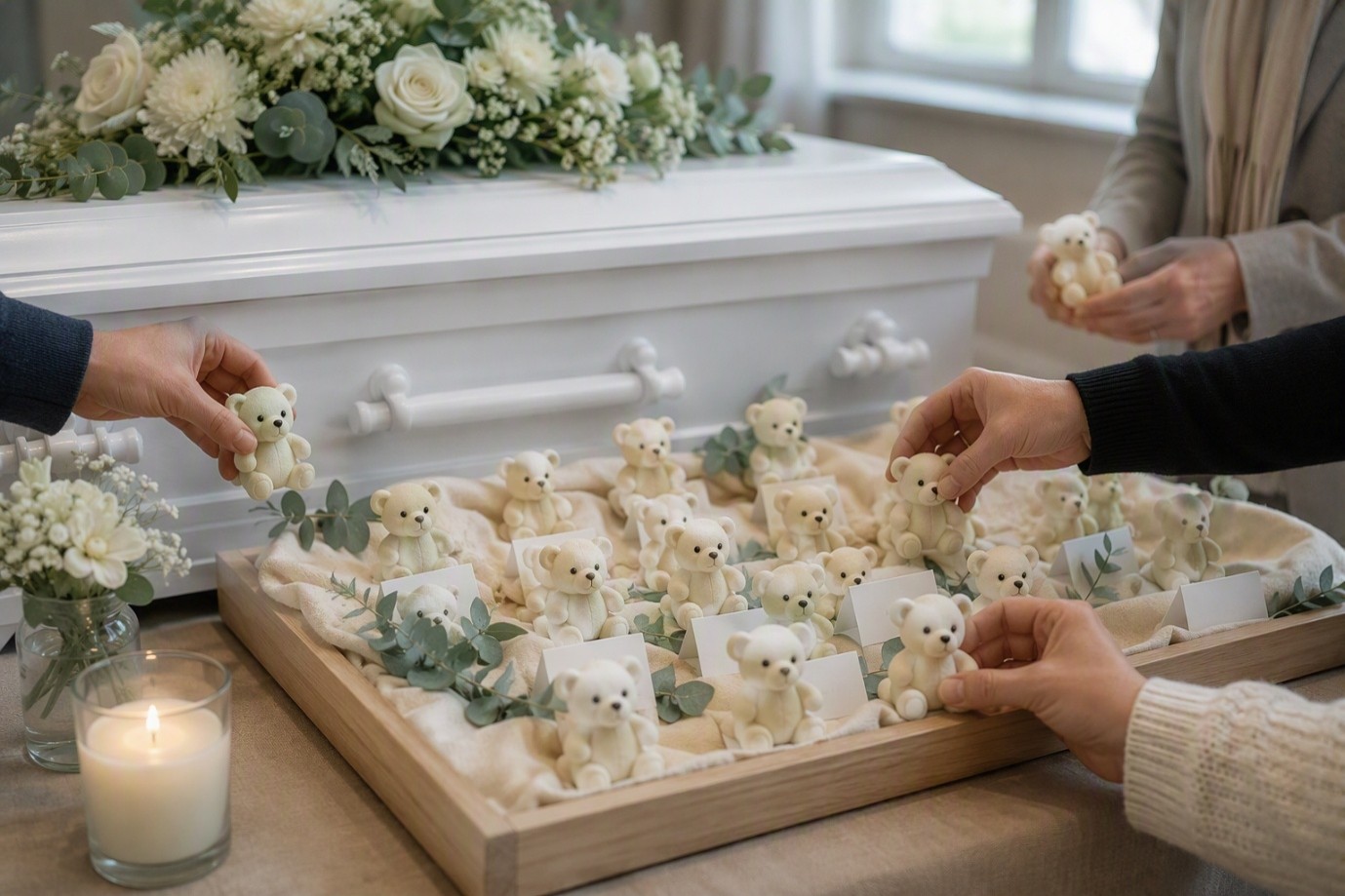
Teddy Bear Memory Tray
Why It’s Appropriate
Symbolism
Graduation Ceremony
A powerful ritual for a graduation ceremony is the cap toss. This tradition involves graduates throwing their caps into the air at the end of the ceremony, marking the transition from student to graduate.
Why It’s Appropriate
Symbolism

Engagement Ceremony
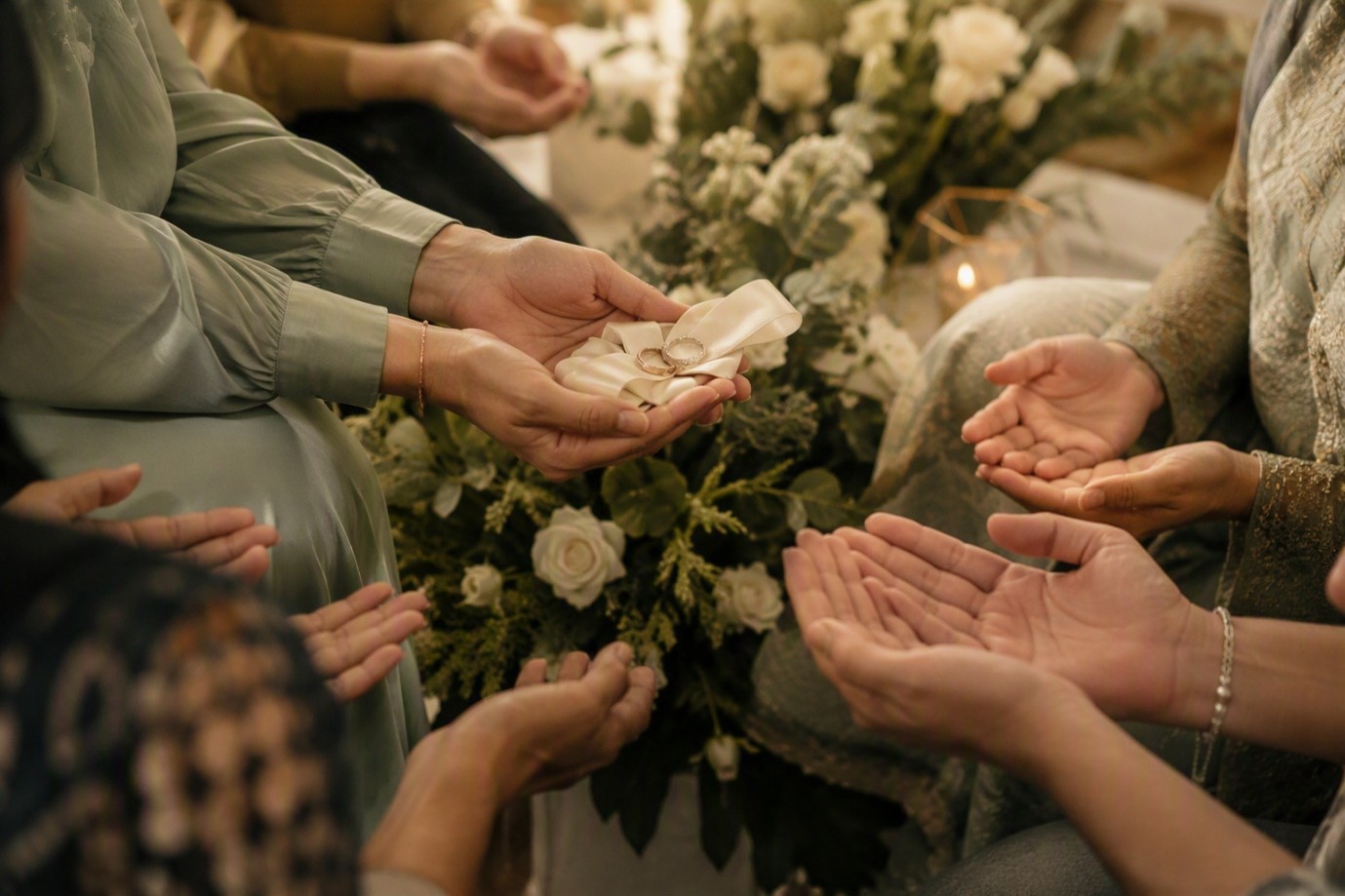
A meaningful ritual for an engagement ceremony is the ring warming ceremony. This involves passing the rings among close family and friends before they are exchanged, allowing each person to hold them and offer a silent blessing, wish, or positive intention.
Why It’s Appropriate
Symbolism
Vow Renewal
A meaningful ritual for a vow renewal ceremony is the Unity Candle Ceremony. This involves the couple lighting a single candle together, symbolizing their recommitment and the enduring strength of their marriage.
Why It’s Appropriate
Symbolism